
 EN
EN 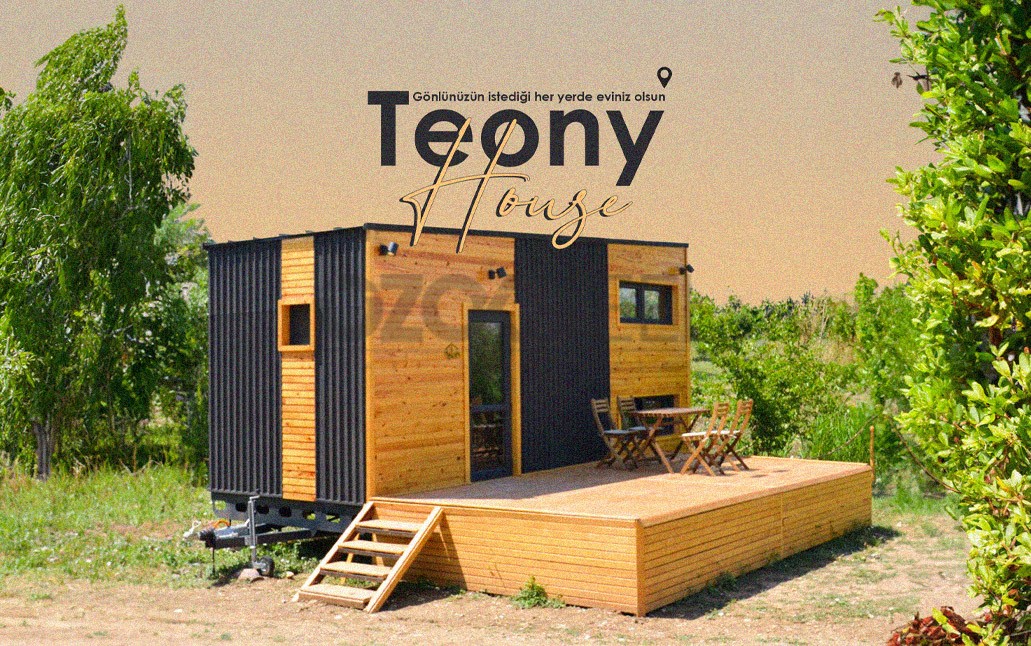
Tiny House Construction and Prices
Tiny house construction and prices are among the topics most people searching for minimalism and sustainable living have been curious about in recent years. As a reflection of minimalism in architecture and living spaces, tiny house offers a nature-friendly, simple way of life. Designed to fit into a compact area, these small houses stand out as an ideal solution for those who embrace a life close to nature and minimal living.
This guide isn't about definitions but about practice: for those who want to have a tiny house built, we look at how the production process works and which items shape the price. Tiny house cost can't be summed up in a single figure; it's the sum of a series of decisions — status choice, material, insulation and fit-out level. That's why, throughout this article, we focus not on figures but on the decision points that will let you compare quotes soundly.
Types of Tiny House: Fixed and Wheeled Models
Tiny house construction can vary depending on the type of house you choose. Small house options with fixed and wheeled versions give users flexibility to match different lifestyles. Wheeled tiny house options give users freedom of movement and have a caravan-like structure. These houses are designed to be towed behind a vehicle and can be moved wherever you like. Fixed tiny house structures, by contrast, stay tied to the place they were built and generally provide longer-lasting use.


Tiny House Construction: Material Selection and the Building Process
Unlike traditional house construction, tiny house building processes are generally simpler. The materials used vary — wood, metal or concrete among them — while the size of the house is determined by its intended use and the space it will occupy. Tiny house structures fall into two main groups, based on purpose of use and portability:
- Fixed tiny house
- Wheeled tiny house
Fixed tiny house structures can be built using different materials suited to the region's climate and structural requirements. In humid regions such as the Black Sea coast, for example, wood may be preferred to achieve a structure in harmony with nature. In wheeled tiny house structures, lighter materials are preferred for ease of transport. In this type of structure, sustainability is prioritised, and an environmentally friendly approach is taken by building with recyclable materials.
The Tiny House Construction Process, Step by Step
The tiny house production process departs from classic construction on one important point: most of the house is produced not on the building site but in a workshop or factory setting, and arrives at your land finished, or nearly finished. This means production that is independent of weather conditions and can be closely controlled. In broad terms, the process consists of these steps:
- Needs analysis and design: Who will use the house and for what purpose is clarified; whether it's for permanent housing, a weekend cottage, an office or rental use directly affects the floor plan and façade design.
- Status and land decision: Whether the house will be fixed or wheeled, and where it will be placed, needs to be settled before production, because this decision changes both the design and the cost.
- Quote and contract: The material list, delivery scope and payment plan are put in writing.
- Production: The structural system is erected; insulation, façade, roof, doors/windows and interior installations are completed in a controlled workshop setting.
- Transport and installation: The house is moved to the land; fixed models are set on the prepared ground, wheeled models are positioned in place.
- Handover and inspection: The function of the installations, watertightness and the fittings included in the delivery scope are checked together.
If you'd like to see what different plans and concepts look like, you can explore our compact living space solutions on our products page.
Fixed or Wheeled? How the Decision Affects Cost
The choice between fixed and wheeled isn't just a lifestyle question — it's a decision that reshapes the cost structure from the ground up. In wheeled models, the price includes the chassis, running gear and the engineering needed to be towed safely on the road; because of weight limits, material choices prioritise lightness. Fixed models carry no chassis cost; instead, ground preparation, foundation and permanent infrastructure connections come into play.
This choice also determines the house's legal status in Turkey: a wheeled, registered tiny house is treated in practice as a vehicle, while one fixed to the ground is treated as a structure, and the two are subject to different paperwork processes. We go through the details of the vehicle-versus-structure distinction, and the situation on arable land and hobby gardens, one by one in our guide on tiny house legal status. Since practice can vary from municipality to municipality, we recommend consulting the municipality your land belongs to before deciding on status.
If you're weighing tiny house against other compact living options such as container homes and steel houses, our comparison article, which sets all three options side by side, will make your decision process easier.
The Items That Determine the Price
Tiny House Prices: The Factors at Play
Tiny house prices vary depending on many factors. The size of the house, the type of material used, and whether it is fixed or wheeled are the main elements affecting price. Tiny house models with a smaller footprint are generally more affordable, since they require less material and labour. Wheeled tiny house models tend to cost more than fixed ones, since they provide mobility. The choice of different materials — wood, steel or composite — is another factor that affects price.
When comparing quotes, it's important to read the price by item rather than as a single total. The table below summarises where the price differences between quotes usually come from:
| Item | What it affects | What to watch for |
|---|---|---|
| Structural system and main material | The building's lifespan, strength and the baseline of the price | Whether the material suits the climate, and moisture and corrosion precautions |
| Insulation package | Year-round use and heating costs | Whether wall, roof and floor insulation form a complete system |
| Windows, doors and glazing | Heat loss and living comfort | Whether glass and frame quality are specified in writing in the quote |
| Interior fit-out level | A significant share of the total cost | What is included for the kitchen, bathroom and furniture |
| Chassis or foundation | Production and installation cost | Type approval for wheeled models, ground condition for fixed models |
| Design customisation | Labour and production planning | The price difference between a ready-made plan and a custom project |
The difference between two quotes usually doesn't come from labour, but from the scope of these items. A quote that looks cheap may be leaving out some of the items in the table; one that looks expensive may already include transport and interior fit-out from the start.
Items People Assume Are Included but Usually Aren't
When budgeting for a tiny house, the most common surprise is the expenses that fall outside the house price. Although scope varies from manufacturer to manufacturer, the following items are usually not included in the quote and need to be budgeted separately:
- Transport and crane: Moving the house to the land is priced separately based on distance, route and the land's access conditions; this item grows for placements that require a crane.
- Ground preparation: The foundation or ground levelling for fixed models, and the flat, solid platform the house will stand on for wheeled models, is generally the landowner's responsibility.
- Infrastructure connections: Electricity, water and wastewater connections — or, where there's no mains supply, solutions such as solar panels, a water tank and a septic tank — form a separate budget item.
- Interior fit-out: Finishing touches such as appliances, furniture and lighting can be offered with varying scope even in quotes described as "turnkey."
- Official procedures: Registration and insurance for wheeled models, and the design and fee expenses tied to the building-permit process in Turkey for fixed models, sit outside the house price.
Questions to Ask When Getting a Quote
For a sound comparison, we recommend asking every manufacturer for written answers to the same questions:
- What exactly is included in the price? Is the material list and delivery scope shared in writing?
- What layers make up the insulation package; is the house suitable for year-round use?
- For a wheeled model, who handles the type-approval and registration process?
- Are transport, installation and crane included in the price; if not, how are they calculated?
- What is expected from the landowner regarding ground preparation and infrastructure?
- How are the payment plan and delivery conditions defined in the contract?
- Can previously completed projects be seen in person or through photographs?
Staying away from a quote that can't give clear answers to these questions is the most effective precaution against additional costs that surface later.
The Tiny House Trend in Turkey and Local Manufacturers
With the growing popularity of the minimalist lifestyle, the tiny house concept has been drawing increasing interest in Turkey as well. Several manufacturers producing in this field in Turkey offer different options to people looking for a small house. Teony House is one of the leading names working with a reliable and innovative approach to tiny house production. With different material types and a wide product range, it offers tiny house solutions suited to customer requirements. Teony House carries out its projects for those embracing the tiny house lifestyle with customer satisfaction as its priority.
Frequently Asked Questions
How long does building a tiny house take?
The duration depends on whether the design is chosen from a ready-made plan or drawn up specially, the interior fit-out level, the manufacturer's current workload, and the delivery scope. Because production takes place in a workshop setting, it isn't affected by weather and progresses more predictably than classic construction. We recommend asking your manufacturer for a clear timeline together with a written quote that defines the scope.
What determines the price of a tiny house?
The main items that determine price are the fixed-versus-wheeled choice, the structural system and material quality, the insulation package, the windows and doors, the interior fit-out level, and the degree of design customisation. Expenses outside the house price, such as transport, ground preparation and infrastructure connections, also affect the total budget. This is why quotes should be compared by scope, not by a single total figure.
Does a tiny house need a building permit?
It depends on status: a wheeled tiny house with type approval and vehicle registration doesn't need a building permit in Turkey; one fixed to the ground or connected to permanent infrastructure counts as a structure and is subject to a building permit. Since practice can vary by municipality, you should consult the municipality your land belongs to before placing the house.
Can a tiny house be used in winter?
Yes; what matters is not the size of the house but the quality of the insulation package. When wall, roof and floor insulation form a complete system and the windows, doors and heating are properly set up, a tiny house can be used comfortably year-round. If you plan to use it in winter too, say so at the quote stage and ask for the insulation details in writing.
What does "turnkey" tiny house mean?
Turnkey means the house is handed over ready to live in, but its scope varies significantly from manufacturer to manufacturer. Some quotes include kitchen cabinets and bathroom fittings but leave out appliances and furniture; transport and installation may also be priced separately. Ask in writing, item by item, exactly what "turnkey" includes in your quote.
If you're planning your own tiny house project, at Özok Steel we can work through the process together with you, from the status decision to the delivery scope; you can get in touch with us for detailed information about your project.
This article is for general information purposes only. Tiny house prices change constantly depending on material and market conditions, so we deliberately don't quote figures; for a current price, we recommend getting a written quote with a defined scope. Legal status and placement conditions can vary by municipality; consult the municipality your land belongs to before deciding.
